Chain Pickerel and Muskie Catch in Kimberly WI
Chain Pickerel and Muskie Fishing in Kimberly - What to Expect

Guided Fishing Trip by Guide Bret Brinkman in September

- Appleton Walleye Fishing Guide For All Seasons.


Summary
This guided fishing trip in Kimberly, WI showcases an impressive chain pickerel and muskellunge catch. On a Friday in September, anglers experienced successful muskie and pickerel fishing with multiple fish landed, demonstrating the productive waters around Appleton. This guided fishing trip highlights the expertise and local knowledge that delivers consistent results.
Guided Fishing Trip with Bret Brinkman - Rates & Booking
Bret Brinkman of Wisco Brinks Fishing Service guided anglers on Friday, September 18th for a productive muskie and chain pickerel fishing expedition in Kimberly, WI. This guided fishing trip showcases the caliber of catches available in the Appleton area waters. Bret brings years of local expertise targeting predator species in northeast Wisconsin. Book your guided trip online with Wisco Brinks Fishing Service to experience consistent success on these trophy-class fish.
Highlights of Your Guided Fishing Experience
The Kimberly area offers exceptional muskie and chain pickerel habitat. These waters produce quality fish throughout the season, and this catch exemplifies the trophy potential anglers can achieve with proper technique and local guidance. The multiple fish landed demonstrates the abundance available and the professional expertise that guides anglers to success. Bret's approach combines proven tactics with understanding of seasonal patterns and fish behavior specific to this region.
Chain pickerel are aggressive predators that respond well to strategic lure placement and retrieves. Muskellunge, often called the fish of 10,000 casts, require patience and precision but deliver unforgettable battles. Landing multiple specimens on a single outing reflects both the guide's skill and the productive fishery these waters provide.
Local Species Insights: Chain Pickerel and Muskellunge
Chain pickerel are streamlined predators that thrive in the weedy, structured environment found throughout northeast Wisconsin. These fish are smaller than their muskie cousins but equally aggressive, making them reliable targets for anglers. Chain pickerel typically inhabit shallow vegetation, drop-offs, and around woody cover. They strike with impressive speed and provide exciting surface action on topwater presentations. These fish are found year-round but are most active during cooler months when they move to shallower feeding zones.
Muskellunge represent the apex predator in freshwater systems. Adult muskies are solitary hunters that can exceed 50 inches and provide some of the most challenging and rewarding fishing experiences available. Unlike chain pickerel, muskies are selective feeders that require precise presentation and lure selection. They respond to large muskie-specific plugs, bucktail spinners, and soft swimbaits. Successful muskie fishing demands patience, physical endurance, and detailed knowledge of structure and seasonal movements.
The Appleton-area waters provide diverse habitat supporting healthy populations of both species. Weed beds, rock structure, and depth transitions create ideal feeding zones. The catch in this image demonstrates the consistency achievable through guided fishing with experienced local professionals who understand how to read water and position clients for success.
Bret Brinkman's guided approach focuses on both efficiency and education. Anglers learn proper casting techniques, lure selection, and structure interpretation while pursuing these premier gamefish. Whether targeting aggressive chain pickerel or trophy muskies, the combination of quality waters and expert guidance creates memorable fishing experiences.
Fishing in Wisconsin: Chain Pickerel and Muskellunge
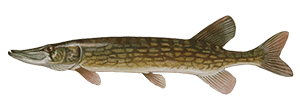
Chain Pickerel Overview
The Chain Pickerel (Esox Niger) is a freshwater fish belonging to the family Esocidae and order Esociformes, commonly known as the Pike family or "Water Wolves." These feisty predators earn their nickname from a distinctive chain-like pattern of spots that runs along their sleek, torpedo-shaped bodies. Unlike their larger cousins the Muskellunge and Northern Pike, Chain Pickerels are compact but mighty hunters with fully-scaled cheeks and a mouth packed with razor-sharp teeth arranged in three strips along their vomer. Found across the eastern United States from South Canada down to Florida and westward to Texas, these fish are particularly popular with anglers in the Mississippi Valley and around Lake Michigan. What makes the Chain Pickerel truly special is their aggressive personality—they're known for launching themselves out of the water to snatch insects and small prey, making every encounter an exciting adventure for fishermen and nature observers alike.
Chain Pickerels have earned a reputation as fierce, opportunistic hunters that will attack almost anything within their line of sight. Their bodies are perfectly designed for ambush hunting in weedy waters, and their attitude gets noticeably more aggressive as they mature. Whether you're a seasoned angler or a curious outdoor enthusiast, understanding this species will enhance your appreciation for freshwater ecosystems and improve your chances of a memorable encounter.
Chain Pickerel Habitat and Distribution
Chain Pickerels thrive throughout the eastern coastal regions of North America, ranging from South Canada all the way down to Florida, and extending westward into parts of Texas. These fish show a strong preference for vegetative lakes, swamps, slow-moving rivers, and quiet pools where they can hide among aquatic plants and launch surprise attacks on unsuspecting prey. They favor warm waters that aren't constantly disturbed by tidal action, and remarkably, they can tolerate acidic conditions—some populations thrive in waters with pH levels as low as 3.8. The Mississippi Valley serves as a hotspot where anglers frequently encounter healthy populations, while Lake Michigan also hosts robust numbers of this species. In northern regions of the Great Lakes, they're considered an invasive species, but throughout their native range, they remain an integral part of the freshwater ecosystem. Whether you're fishing a small pond, a meandering river, or a large lake, look for Chain Pickerels lurking in weedy areas and around submerged structures where they can ambush passing prey.
Chain Pickerel Size and Weight
Most Chain Pickerels caught by anglers fall in the moderate size range, with typical specimens measuring between 14 and 24 inches in length and weighing between 3 and 5 pounds. While these dimensions make them significantly smaller than Muskellunge or large Northern Pike, don't let their compact size fool you—pound for pound, they fight with surprising intensity. In rare circumstances, particularly in pristine lake ecosystems with abundant forage, specimens can reach impressive lengths of up to 39 inches, though these trophy-sized individuals are uncommon. The average full-grown Chain Pickerel typically reaches around 24 inches and weighs approximately 3 pounds, making them an accessible target for anglers of all skill levels while still delivering the thrilling fight that the Pike family is famous for.
Chain Pickerel Diet and Behavior
Chain Pickerels are textbook ambush predators whose dietary preferences and hunting behavior change dramatically as they mature. Young Chain Pickerels are content settling for smaller fish and aquatic invertebrates, but as they grow older, their confidence and appetite expand considerably. Adult Chain Pickerels become notoriously aggressive and will consume mice, frogs, crayfish, small waterfowl, and virtually any creature unfortunate enough to venture within striking distance. Their highly specialized teeth arrangement—three strips of teeth on their vomer—allows them to grip prey with devastating efficiency, often inflicting grave wounds that ensure successful capture. What truly sets Chain Pickerels apart is their "Water Wolf" mentality: they're prone to attacking anything that moves within their visual field, and they famously leap clear out of the water to snatch insects and small prey from the air or surface. This opportunistic hunting style makes them exciting to observe but also means anglers must exercise caution around these toothy predators. Their bodies are specifically engineered for life in vegetated waters, allowing them to accelerate rapidly and turn sharply when pursuing prey through dense aquatic plants.
Chain Pickerel Spawning or Seasonal Activity
Chain Pickerels are most active during warmer months when water temperatures rise and their metabolism increases accordingly. Their breeding season typically occurs in spring when water temperatures warm sufficiently to trigger spawning instincts. During pre-spawn and spawn periods, females move into shallow vegetated areas where they lay eggs over aquatic vegetation. Males aggressively defend territories during this time, making spring an excellent period for anglers seeking active, aggressive fish. As water temperatures peak in summer, Chain Pickerels tend to seek deeper, cooler refuges in lakes, though they remain active hunters throughout the season. Fall brings renewed aggression as fish prepare for winter, and cooler water temperatures often trigger feeding binges. Winter fishing can be productive in southern portions of their range where waters don't freeze solid, but in northern areas, activity slows considerably once water temperatures drop significantly.
Chain Pickerel Techniques for Observation or Capture
Live Bait and Topwater Lures: Chain Pickerels respond aggressively to live minnows and small fish, making them an excellent choice for anglers seeking reliable results. Cast live bait near weed beds, submerged logs, or other structure where these ambush predators hide. Topwater lures that create surface disturbance also trigger strikes, as Chain Pickerels instinctively attack anything that resembles injured prey. Use a steel leader or 12-17 pound test line to prevent bite-offs from their razor-sharp teeth. Around the Mississippi Valley region, early morning and late evening sessions near vegetated shorelines often yield the best results.
The Figure-8 Technique: This specialized approach involves casting spinnerbaits, plugs, or crankbaits near likely holding areas, then performing light curves and turns as you retrieve—alternating between bringing the lure close to the boat and drawing it away. This erratic movement mimics injured forage fish and triggers aggressive feeding responses from Chain Pickerels. The technique requires focus and finesse but consistently produces strikes when executed properly.
Fly Fishing and Jig Techniques: Experienced anglers report success using large, flashy flies and small jigs that resemble natural prey. Bass fishing techniques also work well for Chain Pickerels—jerking baits to create the appearance of injured prey often provokes violent strikes. Cast near vegetation in ponds and swamps where water remains relatively undisturbed, and work your offering with steady, deliberate movements. In areas like Michigan's lake systems, these techniques during mid-morning hours often coincide with active feeding periods.
Chain Pickerel Culinary or Utilization Notes
Chain Pickerels are technically edible and have been consumed for generations throughout their native range. However, potential diners should be aware that these fish have a bone structure similar to milkfish, containing numerous small bones throughout the flesh. Unless you're skilled at carefully flaking the meat away from bones or have access to boneless processing, Chain Pickerels are not recommended for children or those with limited fish-preparation experience. For anglers willing to invest the effort, the white flesh has a mild flavor that some find acceptable, though the high bone content deters many modern cooks. Most recreational anglers today practice catch-and-release with Chain Pickerels, valuing them primarily for the sporting experience rather than food value. Their ecological importance as apex predators in freshwater systems makes their preservation and management essential for maintaining healthy aquatic communities.
Chain Pickerel Frequently Asked Questions
Q: What is the best bait or lure for catching Chain Pickerel?
A: Live minnows are highly effective, but Chain Pickerels also respond enthusiastically to spinnerbaits, topwater lures, plugs, and flies. Flashy baits that resemble forage fish trigger aggressive strikes. The Figure-8 retrieval technique—making light curves and turns with your lure—significantly increases your chances of success. Steel leaders are recommended due to their sharp teeth.
Q: Where can I find Chain Pickerel near major fishing destinations?
A: Chain Pickerels are abundant throughout the Mississippi Valley and Lake Michigan region. Look for them in vegetated lakes, swamps, slow-moving rivers, and quiet pools. They prefer areas with minimal tidal disturbance and even tolerate acidic waters. Early morning and late evening near weed beds and submerged structures offer your best opportunities for encounters.
Q: Are Chain Pickerels good to eat?
A: While technically edible, Chain Pickerels contain numerous small bones throughout their flesh, making them challenging to prepare. Unless you're experienced at careful bone removal or have access to professional boneless processing, they're not recommended for most diners. Most modern anglers practice catch-and-release, valuing them primarily for sport fishing.
Q: When is the best time to catch Chain Pickerel?
A: Spring spawning season and fall pre-winter feeding periods typically offer the most aggressive strikes. Summer remains productive, though fish may seek deeper, cooler refuges during peak heat. Early morning and late evening sessions throughout the warm-water season generally outperform midday fishing.
Q: How do Chain Pickerels compare to Northern Pike and Muskellunge?
A: Chain Pickerels are significantly smaller than both species, rarely exceeding 24-30 inches compared to pike and muskie that commonly grow much larger. However, they're more aggressive biters and more accessible to average anglers. Chain Pickerels have fully-scaled cheeks and a distinctive chain-pattern, distinguishing them from their larger pike-family relatives.
Q: Why are Chain Pickerels called "Water Wolves"?
A: This nickname reflects their fierce, opportunistic hunting style and willingness to attack almost anything within their visual range. Chain Pickerels are known for launching themselves out of the water to snatch insects and small prey, and their pack-like aggressive behavior in certain water systems earned them this predatory reputation among anglers and naturalists.
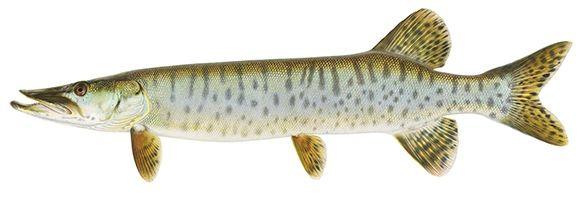
Muskellunge Overview
The Muskellunge (Esox Masquinongy), commonly called Muskie, is the crown jewel of North American freshwater fishing and the largest member of the Esocidae family within the order Esociformes. This apex predator commands respect among anglers worldwide, earning its reputation as a trophy fish that demands skill, patience, and the right equipment. What makes the Muskellunge so special is its combination of impressive size, aggressive feeding behavior, and the incredible fighting power it displays when hooked. Found primarily in cool, northern freshwater lakes and rivers, this species has become synonymous with serious angling adventure. Whether you're chasing trophy fish in Minnesota or exploring remote northern waters, the Muskellunge represents the ultimate freshwater challenge.
Unlike its close relative the Northern Pike, the Muskellunge possesses several distinctive characteristics that set it apart. The most obvious difference is the deeply forked tail fin, which contrasts sharply with the Pike's shallower fork. Additionally, Muskellunges display striking vertical tiger-like stripes or bars across their bodies, whereas Northern Pike are covered in irregular spots or mottling. Beneath the jaw, you'll find 6 to 9 pores on a Muskellunge compared to fewer pores on a Pike. These differences, while subtle to the untrained eye, become crystal clear once you've encountered both species.
Muskellunge Habitat and Distribution
Muskellunges thrive in the cool, oxygen-rich waters of northern North America, with populations concentrated in the Great Lakes region, parts of Canada, and select reservoirs throughout the northern United States. These fish are native to specific waters and have become symbols of regional fishing heritage—Wisconsin even designated the Muskellunge as its official state fish, a testament to the species' cultural significance.
In their natural environment, Muskellunges favor habitats with distinct structural features. You'll typically find them lurking near weedy edges where submerged vegetation provides cover and ambush opportunities. Rocky shoals and underwater reef structures are prime Muskie territory, offering shelter and ideal hunting grounds. Shallow waters near shorelines, particularly areas with sunlight penetration, attract these fish—they genuinely love basking in the sun when not actively hunting. Look for drop-offs, channel ledges, and areas where water depth transitions from shallow to deep; Muskellunges position themselves strategically at these boundaries to intercept passing prey.
The distribution of Muskellunges is highly specific and localized. While they inhabit Minnesota waters extensively, not every lake in the state holds populations. Research is essential before planning a trip; local fishing reports and DNR databases will pinpoint which specific lakes and reservoirs maintain healthy Muskie populations. This specificity actually adds to the appeal—finding and catching a Muskellunge feels like unlocking a secret that few anglers ever experience.
Muskellunge Size and Weight
The Muskellunge's impressive dimensions are part of what makes this species so captivating to anglers. On average, these fish reach lengths of 24 to 48 inches (2 to 4 feet) and weigh between 15 to 36 pounds. However, these are merely the typical range—what makes Muskellunges legendary is their potential for extraordinary growth.
Trophy-class Muskellunges can reach absolutely staggering proportions. Maximum recorded specimens exceed 72 inches (6 feet) in length and tip the scales at 70 pounds or more. Imagine battling a fish as long as a tall human, with the strength to match its size. The sheer power and mass of a trophy Muskie explains why anglers pursue them with almost religious devotion. A single catch can become a lifetime memory and a story told for decades.
Growth rates vary considerably depending on environmental conditions, food availability, and lake characteristics. Northern populations tend to grow more slowly but live longer, while southern populations may reach impressive sizes more quickly. Regardless of location, Muskellunges rank among the fastest-growing North American freshwater fish, particularly when abundant prey is available.
Muskellunge Diet and Behavior
Muskellunges are apex predators with a fearsome feeding strategy that defines their species. These fish are ambush hunters extraordinaire, positioned perfectly by their body structure for explosive acceleration and sudden strikes. When a suitable prey item ventures within striking distance, a Muskie launches forward with devastating speed and precision.
The Muskellunge's feeding behavior is particularly brutal and efficient. These fish are known as decapitators—they literally snap the heads off prey items and swallow them headfirst. Their needle-like teeth are arranged perfectly to grip and puncture, leaving no escape once jaws clamp down. The feeding strategy is designed for maximum energy efficiency: strike hard, consume quickly, return to ambush position.
Dietary preferences broaden as Muskellunges grow. Smaller juveniles consume insects, small fish, and aquatic invertebrates. As they mature, their prey escalates dramatically. Adult Muskellunges hunt fish species, including other pike and gamefish. They'll consume crayfish, frogs, small mammals like mice and rats, and occasionally waterfowl including ducks and muskrats. Essentially, if it fits in their mouth and moves, a hungry Muskie will consider it potential food.
Behaviorally, Muskellunges are creatures of explosive energy punctuated by long periods of stillness. They position themselves in ambush zones and wait, conserving energy until prey appears. Once triggered, their response is immediate and violent. Between feeding events, Muskellunges rest, often in deeper, cooler water. This feast-and-fast lifestyle means they can go extended periods without eating, a characteristic that influences angling success rates and fishing pressure effects.
Muskellunge Spawning or Seasonal Activity
Muskellunges exhibit pronounced seasonal behavior patterns that directly impact angling opportunities and fishing success rates. Understanding these seasonal dynamics is crucial for anyone serious about pursuing this species.
Summer months, particularly mid to late summer, represent prime hunting season for Muskellunges. As water temperatures warm and metabolism increases, these fish become more active and aggressive. They feed more frequently and respond readily to artificial lures and presentations. This increased activity makes summer an excellent time for dedicated anglers willing to put in the effort.
Autumn represents the absolute best season for Muskellunge fishing. As water temperatures begin cooling from summer highs, Muskellunges undergo a feeding frenzy in preparation for winter. They become noticeably more active, more aggressive toward lures, and more likely to strike. Fall also brings improved water clarity in many lakes, enhancing visibility and strike likelihood. Autumn Muskie fishing combines the species' highest activity levels with favorable environmental conditions.
Winter presents challenges as water temperatures plummet. Muskellunges become less active and more sluggish, reducing feeding frequency and strike rates. Many anglers take a break during winter months, though through-ice fishing opportunities exist in frozen northern lakes. Spring spawning typically occurs in shallower, weed-filled areas as water temperatures climb toward the 50s Fahrenheit. Post-spawn fish are typically catchable but may be scattered as they disperse from spawning zones.
Muskellunge Techniques for Observation or Capture
Technique 1: Large Artificial Lure Trolling with Crankbaits
The foundation of modern Muskie fishing relies on large, high-action artificial lures that create substantial underwater disturbance and visual appeal. Crankbaits that wobble aggressively are the go-to choice for most Muskie anglers. These lures should be substantial in size—think baits that mimic sizable fish or small prey items that would catch a Muskellunge's attention. The wobbling action triggers predatory instincts and provokes strikes from territorial or hungry fish.
Trolling technique involves positioning your boat over productive areas—particularly weedy edges and rocky shoals where Muskellunges ambush prey—while maintaining steady forward movement at speeds between 4-8 miles per hour. Lower your crankbaits to depths where structure exists and where you suspect Muskellunges are positioned. The combination of trolling speed and lure wobble creates an irresistible trigger. Weedy areas and underwater reefs are known Muskie hideouts; focus your efforts on these locations. Drifting with large lures also covers substantial water, increasing your chances of encountering feeding fish.
Technique 2: Casting Large Lures in Shallow Structural Areas
For more active, targeted fishing, casting large artificial lures to specific structural features yields excellent results. Target weed lines, rocky outcrops, drop-offs, and shallower areas where Muskellunges often position for sunbathing and hunting. Cast large swimbaits, topwater plugs, and pike-style lures beyond the structure, then retrieve through the strike zone with deliberate, attention-grabbing action. Muskellunges respond to erratic, sudden movements that simulate injured prey. Vary retrieval speeds and patterns until you trigger aggressive strikes.
Technique 3: Live Bait Presentation and Passive Fishing
Some anglers prefer the traditional approach of live bait fishing for Muskellunges. Large live baitfish, including pike, suckers, and other substantial forage species, are suspended near known Muskie habitat. This passive approach allows fish to take the bait at their leisure while you monitor the rod. Though less active than lure casting, live bait fishing can be highly productive when baitfish are fresh and positioned correctly.
Critical Equipment Consideration: Use a 50-pound test line minimum—Muskellunges possess tremendous jaw strength and can easily snap lighter monofilament. Their needle-like teeth can abraze and fray line, so consider reinforced leaders or wire attachments. Most importantly, use barbless or minimal-barb hooks. These fish thrash violently during the fight, and barbed hooks become nightmarish to remove from their tooth-filled mouths and tough tissues.
Local Tip: Around northern lakes and river systems, early morning and late evening hours produce the most consistent action, particularly during late summer and autumn months. Scout your intended fishing area beforehand to identify key structural features where Muskellunges concentrate. Local tackle shops often have current intel on where fish are being caught—don't hesitate to ask.
Muskellunge Culinary or Utilization Notes
From a culinary perspective, Muskellunges carry a poor odds rating for food quality. While technically edible, Muskellunges are rarely pursued for consumption, and for good reasons. The flesh tends to be coarse-textured and strongly flavored, with a muddy or unpalatable taste in many specimens. Additionally, size and rarity make them poor candidates for harvesting.
The true value of a Muskellunge lies in the fishing experience, not the dinner table. These fish are universally recognized as trophy species—they're caught for the challenge, the fight, the accomplishment, and the story. Many jurisdictions protect Muskellunges through strict catch-and-release regulations or harvest limitations, recognizing their value to recreational fisheries and regional economies. Catch-and-release practices allow future anglers to experience the thrill of hooking into these magnificent predators.
From a conservation standpoint, Muskellunges are managed carefully because they're often non-native or invasive in certain waters. In Maine, for instance, Muskellunges are actively culled because they harm local ecosystems, disrupting native fish populations and ecological balance. Conversely, in regions where they're native and managed for recreational fishing, Muskellunges provide enormous economic and cultural value through guided fishing operations, tackle sales, and tourism.
Muskellunge Frequently Asked Questions
Q: What is the best bait or lure for catching a Muskellunge?
A: Large crankbaits that wobble aggressively are the top choice for artificial lure fishing. These should be substantial in size and create significant underwater disturbance. Swimbaits, topwater plugs, and large pike-style lures also produce excellent results. If using live bait, choose large forage fish like pike, suckers, or shiners. The key principle: bigger baits attract bigger fish and reduce unwanted smaller species strikes. Avoid barbed hooks—use barbless or minimal-barb designs for easier hook removal from these needle-toothed predators.
Q: Where can I find Muskellunges near major fishing destinations?
A: Muskellunges are highly location-specific. Wisconsin, Minnesota, and the Great Lakes region hold excellent populations. Research your specific intended fishing area through state DNR websites and local fishing reports—not every lake holds Muskellunges. Focus on lakes and reservoirs known for established populations. Look for structural features like weedy edges, rocky shoals, and shallow areas with deeper drop-offs nearby. Local tackle shops in fishing communities can provide invaluable current information about where fish are being caught.
Q: Is the Muskellunge good to eat?
A: Muskellunges are rarely kept for consumption and carry a poor food quality rating. The flesh is coarse-textured and often carries an undesirable muddy flavor. Most modern Muskie fishing follows strict catch-and-release practices, particularly in areas where the species is native and managed for recreational value. The true reward of catching a Muskellunge lies in the achievement and experience, not culinary value.
Q: When is the best time to catch a Muskellunge?
A: Autumn is absolutely the prime season for Muskellunge fishing. As water temperatures cool from summer highs, these fish enter a feeding frenzy preparing for winter, becoming significantly more active and aggressive. Mid to late summer also produces good results as warm water temperatures increase metabolism and feeding activity. Winter presents challenges due to sluggish behavior in cold water, though some anglers pursue through-ice fishing. Avoid early spring when fish are actively spawning and scattered.
Q: Why are Muskellunges called trophy fish?
A: Muskellunges earn trophy status through a combination of factors: their impressive size (up to 6 feet and 70+ pounds), their aggressive fighting ability when hooked, their relative rarity and difficulty to catch, and their status as apex predators without natural enemies. Successfully landing a Muskellunge represents a significant angling achievement that many dedicated fishermen pursue for years without success. The challenge and reward factor makes them the ultimate freshwater trophy.
Q: What equipment do I need to safely fish for Muskellunges?
A: Invest in heavy-duty equipment designed for Muskie fishing. Use a minimum 50-pound test line—their tremendous jaw strength can snap lighter monofilament with ease. Their needle-like teeth will fray and damage line, so consider wire leaders or reinforced attachments. Use barbless or minimal-barb hooks to facilitate easier removal from their tough, tooth-filled mouths. A heavy-action rod with substantial backbone and a quality reel with excellent drag system are essential. Proper net handling and planning for rapid, safe hook removal are critical safety considerations.